Disposing hazardous household waste in Norwood safely
Hazardous household waste has a habit of hiding in plain sight. An old tin of paint in the shed, a half-used bottle of bleach under the sink, batteries in a kitchen drawer, a leaking aerosol at the back of the cupboard - nothing dramatic, just everyday things that become a problem the moment they're handled badly. If you're disposing hazardous household waste in Norwood safely, the goal is simple: keep people safe, protect your home, and make sure the waste is dealt with properly the first time.
This guide walks through what counts as hazardous household waste, why safe disposal matters, how the process usually works in the UK, and what to do before you move anything from your home. You'll also find a practical checklist, a comparison table, and straightforward answers to the questions people actually ask. No fluff. Just the useful stuff.
Table of Contents
- Why safe disposal matters
- How the process works
- Key benefits and practical advantages
- Who needs this and when it makes sense
- Step-by-step guidance
- Expert tips for better results
- Common mistakes to avoid
- Tools, resources and recommendations
- Law, compliance and best practice
- Options and comparison table
- Case study or real-world example
- Practical checklist
- Conclusion
- Frequently asked questions
Why Disposing hazardous household waste in Norwood safely Matters
Hazardous waste is not just "messy waste". It can be flammable, corrosive, toxic, or irritating, and sometimes all four if the wrong items are mixed together. A cracked container of paint stripper, a battery that has started to swell, or leftover DIY chemicals can cause burns, fumes, spills, or fire risk. That sounds dramatic, but honestly, most incidents start with a small mistake and a rushed decision.
In a typical Norwood home, the risks are easy to underestimate because the waste is often scattered around the property. One item might be in the garage, another in the loft, another in a cleaning cupboard. If you're clearing a property, tidying after a renovation, or just having a proper seasonal sort-out on a damp Saturday morning, it helps to stop and ask: which of these items need special handling?
Safe disposal also matters because hazardous items can contaminate other waste streams. Put the wrong thing in a general rubbish bag and you can create a problem for the people handling it later. That's not a small detail. It affects collection crews, sorting facilities, and the environment too.
Key point: the safest approach is to separate hazardous items early, store them securely, and use the right route for removal. Simple in theory. Much easier when you know what you're looking at.
How Disposing hazardous household waste in Norwood safely Works
The process is usually less complicated than people expect, but it does require a little care. First, identify which items are potentially hazardous. Then decide whether they are safe to keep temporarily, whether they need packing up, and how they should be moved. The important thing is not to improvise. A jam jar, a carrier bag, and a "that'll do" attitude are not a disposal system. Let's face it, we've all done a bit of household improvisation at some point, but this is not the place for it.
Hazardous household waste typically includes items such as:
- paint, varnish, paint thinners, and solvents
- household cleaning chemicals and drain cleaners
- pesticides and weed killers
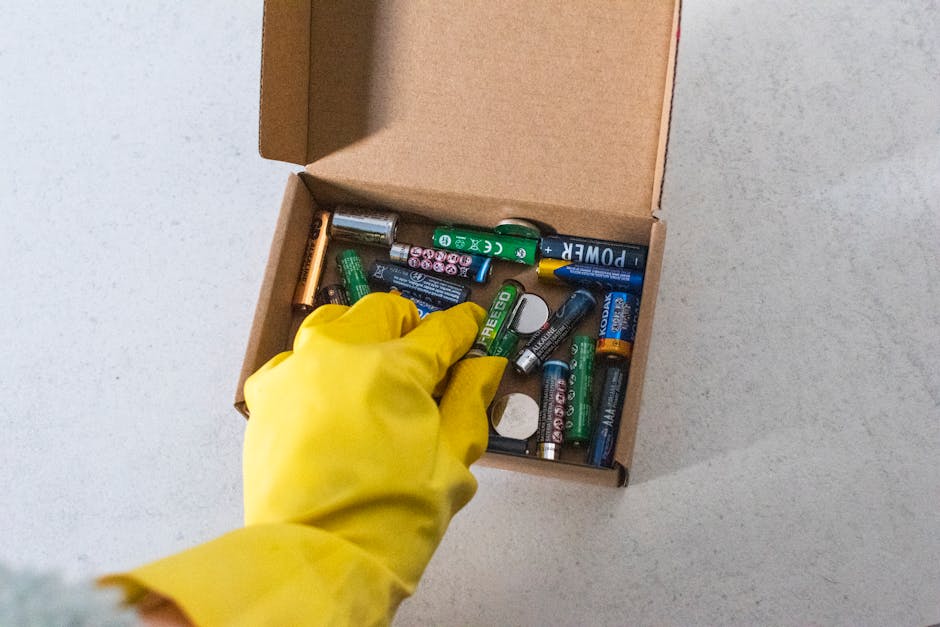
- batteries, including rechargeable types
- fluorescent tubes and some energy-saving bulbs
- aerosols, especially damaged or partly used ones
- small electrical items with batteries or chemical components
- motor oil, antifreeze, and similar vehicle fluids
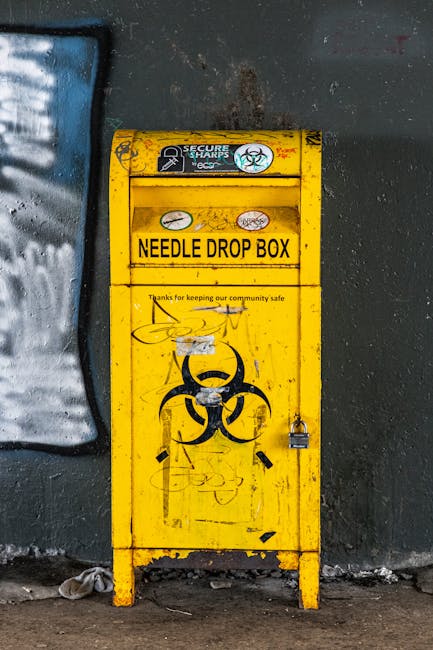
- medication or sharps that should not go in mixed waste
Not every item with a warning label is automatically hazardous in the same way, so it helps to read the container carefully. If the original label is missing, assume extra caution. Also, if a container is leaking, bulging, rusting, or has a strong chemical smell, do not open it to "check". That's usually where people make things worse.
From a practical point of view, the workflow looks like this: sort, isolate, secure, then arrange disposal through an appropriate service or local collection route. If the waste is part of a larger clear-out, a broader waste removal service can sometimes help organise the non-hazardous part while you keep the risky items separate. And if you are dealing with a full property tidy-up, it may be worth looking at home clearance or house clearance so the job is handled in a more structured way.
Key Benefits and Practical Advantages
People often think safe disposal is mainly about compliance. It is, partly. But there are also immediate, day-to-day advantages that matter just as much.
- Lower risk of accidents: fewer spills, burns, or fire hazards around the home.
- Cleaner storage spaces: your shed, loft, or garage stops becoming a chemical dumping ground.
- Less confusion later: once items are separated, future clear-outs are far easier.
- Better handling for crews: anyone removing waste can work more safely when hazardous items are identified early.
- Reduced chance of contamination: you avoid mixing dangerous materials with ordinary rubbish or recycling.
There is also a quieter benefit: peace of mind. People sleep better when they know there isn't a half-forgotten box of old chemicals under the stairs. Sounds minor, but that little feeling of "sorted" can be surprisingly valuable.
If the hazardous items are part of a larger home declutter, it can also help to bundle the rest of the job into one tidy plan. For example, if the garage is full of broken storage boxes and old tools as well as chemicals, a garage clearance can remove the bulky, non-hazardous clutter while you handle the special waste separately. Same idea for lofts, where old paint tins and forgotten batteries often turn up together. A careful loft clearance can make the whole process less chaotic.
Who This Is For and When It Makes Sense
This is for anyone in Norwood who has hazardous items sitting around and wants them gone without creating more problems. That includes homeowners, tenants, landlords, people preparing for a move, and families dealing with a relative's property after a death or long period of disuse. It also makes sense if you're halfway through decorating and suddenly realise the cupboard under the sink has become a tiny chemical archive. A surprising number of homes have one.
You may need a safer disposal plan if:
- you are clearing out a shed, garage, loft, or basement
- you have old paint, varnish, or DIY leftovers
- you are getting rid of batteries, bulbs, or electronics in bulk
- there are damaged containers, leaks, or strong odours
- you are moving house and want to reduce what is transported
- you are managing waste from a renovation or garden project
For landlords and property managers, this can become especially relevant during end-of-tenancy clearances. A flat can look tidy at first glance and still hide a couple of aerosols, chemical cleaners, or batteries tucked in a kitchen drawer. If that sounds familiar, a flat clearance may help with the broader clean-up while hazardous items are dealt with more carefully in isolation.
And for households doing a full reset after years of accumulation, the right approach is often a combined one. You may not need everything removed in the same way, but you do need everything assessed honestly. That part matters.
Step-by-Step Guidance
Here is a simple way to approach hazardous household waste without overthinking it.
- Identify the items. Look for labels, warning symbols, leaks, odd smells, or containers that are clearly not standard household rubbish.
- Separate them from general waste. Keep them away from food waste, paper, textiles, and recyclables. Do not stack them loosely with other items.
- Check the condition of each container. If it is leaking, rusty, cracked, or swollen, leave it alone and keep it upright where possible.
- Keep lids on and packaging intact. Do not pour chemicals into different bottles. It sounds helpful. It rarely is.
- Store them in a cool, dry, secure place. A stable corner of a garage or utility area is usually better than a hot loft or a damp shed.
- Remove anything that can react badly. For example, keep chemical cleaners separate from batteries and anything combustible.
- Arrange disposal through the appropriate route. That may mean a specialist collection, a local household waste facility, or a professional clearance service depending on the item and condition.
If the items are mixed in with other clutter, sort the non-hazardous material at the same time. Truth be told, it saves time. A lot of time. And if the job includes broken furniture, old cupboards, or awkward bulky waste, it can be practical to combine the safe parts of the clearance with furniture clearance or furniture disposal rather than letting the project drag on for weeks.
Expert Tips for Better Results
These are the sort of small habits that make a real difference on the ground.
Keep a "do not mix" box. If you're doing a big sort-out, place all questionable items in one clearly labelled box or tub. That way you don't end up rediscovering them two days later inside a random bin bag.
Photograph labels before moving items. If a container is damaged or hard to read, a quick photo can help you keep track of what it is. Handy when you have four near-identical bottles and none of them have helpful handwriting on the front.
Don't wait until the box is overflowing. Small amounts of hazardous waste are easier to manage than a forgotten pile that has been building up for years.
Be cautious with batteries and aerosols. These two come up all the time. Batteries can short-circuit if stored carelessly, and aerosols can become unstable if punctured or damaged. Keep them out of heat and away from sharp objects.
Use a method that matches the scale of the job. If you only have a few items, a simple collection arrangement may be enough. If you're dealing with a whole property, you may need broader support. For businesses or mixed-use premises, it is worth looking at business waste removal or, where relevant, office clearance so hazardous and non-hazardous materials are separated properly from the start.
And one more thing: if you are unsure, do not guess. A cautious pause beats a messy clean-up every time.
Common Mistakes to Avoid
Most problems with hazardous household waste come from a handful of avoidable habits. Nothing exotic. Just everyday shortcuts.
- Putting hazardous items in normal bins. This creates avoidable risk for everyone who handles the waste afterwards.
- Mixing different chemicals together. Some products react badly when combined, even in small amounts.
- Transferring liquids into unlabelled bottles. This is one of the easiest ways to lose track of what you are dealing with.
- Storing waste in heat or damp. Bathrooms, lofts, and sheds are often poor choices for unstable items.
- Trying to fix damaged containers by hand. If a tub is leaking, treat it as hazardous and keep it secure.
- Forgetting about "small" items. Used batteries, light bulbs, and leftover spray cans add up quickly.
People also sometimes assume that anything in the original packaging is automatically safe to ignore. Not quite. Packaging helps, yes, but age, damage, and storage conditions still matter. A product that looked fine five years ago can be a different story now.
If you are clearing a larger household space, like a garage or loft, it can help to work methodically and not jump from room to room. That way you avoid the classic pile-of-mystery problem. You know the one.
Tools, Resources and Recommendations
You do not need a van full of special equipment to handle household hazardous waste safely, but a few basic tools make the process smoother.
- Sturdy gloves: useful when sorting through dusty containers or handling damaged packaging.
- Seal-able tubs or boxes: better than loose bags for keeping items upright and contained.
- Marker pen and tape: good for labelling "hazardous waste" or listing contents clearly.
- Old towels or absorbent material: helpful if you need to cushion containers during short-term storage.
- A torch: surprisingly useful in lofts, cupboards, and garages where labels are hard to read.
From a service perspective, it can also help to choose a company that is transparent about safety, handling, and how different waste types are sorted. Pages such as recycling and sustainability, health and safety policy, and insurance and safety can tell you a lot about how seriously a provider treats the work. If you want to understand the business behind the service, about us is also a useful place to start.
When cost is on your mind, a clear pricing page can be helpful too. If a job involves mixed waste, awkward access, or more careful handling, getting a tailored estimate is usually better than guessing. A straightforward pricing and quotes page is often the quickest way to see what the options look like without wasting time.
Law, Compliance, Standards, or Best Practice
For hazardous household waste, the main principle is simple: do not dispose of it in a way that risks harm to people, property, or the environment. In the UK, householders are expected to separate and manage hazardous materials responsibly, and waste handlers should follow the relevant duty-of-care and safety practices. You do not need to become a legal expert to do the right thing, but you should avoid casual disposal habits that could create problems later.
Best practice usually means:
- keeping hazardous items identified and separated
- storing them securely until removal
- not mixing incompatible materials
- using appropriate disposal routes for specific waste types
- checking that any contractor handling the waste works in a safe, organised way
If your clear-out includes renovation debris as well as household hazard items, it is sensible to separate those streams carefully. For example, brick dust, plaster, and timber offcuts belong in a different handling category from old chemicals or aerosol cans. A builders waste clearance service may be more relevant for the construction side of the job, while the hazardous household items stay isolated for specific treatment.
One caution worth repeating: do not rely on memory when sorting chemicals. Labels fade, caps go missing, and people forget what was stored where. A careful visual check beats a confident guess. Every time.
Options, Methods, or Comparison Table
There is no single best option for every home, which is why a quick comparison helps.
| Method | Best for | Pros | Limitations |
|---|---|---|---|
| Keep and sort temporarily | Very small amounts that are intact and stable | Gives you time to organise the rest of the clear-out | Not suitable for leaking, damaged, or reactive items |
| Targeted collection or drop-off | Households with a modest quantity of hazardous items | Usually efficient and tidy | May require more preparation and careful handling |
| Professional clearance support | Mixed waste, bulky items, or larger property clearances | More convenient and less stressful | Needs clear separation of hazardous items from general waste |
| Whole-property clearance planning | Move-outs, probate, major declutters, or renovation aftermath | Organises everything in one go | Requires a bit more planning up front |
In many real-world cases, the best answer is a combination. Hazardous items are sorted first, then the rest of the clutter is cleared through the most suitable service. That way nobody is trying to carry too much in one go, and you avoid the slightly chaotic "we'll deal with it later" trap. Later has a funny way of becoming never.
Case Study or Real-World Example
A typical local example might look like this. A couple in Norwood decides to clear their garage before a house move. At the back, behind old boxes and a wobbly shelf, they find half-used paint tins, a few aerosol cans, some loose batteries, and a bottle of garden chemical that has been open for years. None of it is alarming on its own. Together, though, it is exactly the sort of mix that needs separating before anything is touched.
They start by pulling the hazardous items into one area and leaving the lids in place. The batteries go into a separate container. The old paint and aerosol cans are kept upright and away from heat. The rest of the garage, including broken storage tubs and an old table, is grouped for a broader clearance. Once that is done, the job feels much less intimidating. No drama, no rushing, no guessing.
That kind of simple, methodical approach is usually what makes the difference. Not fancy equipment. Not special jargon. Just a calm sequence and a willingness to slow down for ten minutes at the start.
Practical Checklist
Use this before you move or arrange disposal for hazardous household waste:
- Have I identified every item that may be hazardous?
- Are the containers sealed, upright, and not leaking?
- Have I kept chemicals separate from batteries, bulbs, and general rubbish?
- Have I labelled the storage box or bag clearly?
- Is the storage place cool, dry, and out of reach of children or pets?
- Have I avoided mixing different products together?
- Do I know which items need special handling and which can go with normal clearance waste?
- Have I checked whether the wider property tidy-up needs support from a service such as garage clearance, loft clearance, or home clearance?
- Have I arranged the disposal route before the clutter starts spreading again?
Practical summary: sort hazardous items early, keep them secure, and never mix them with ordinary waste. Most problems are caused by haste, not complexity.
If you are planning a bigger clear-out, it may help to speak with a team that can handle the non-hazardous side efficiently and keep the process organised from start to finish. You can also review the company's service information, sustainability approach, and safety standards before deciding what feels right for your home or property.
Get a free quote today and see how much you can save.
Conclusion
Disposing hazardous household waste in Norwood safely is really about common sense, care, and a bit of organisation. Separate the risky items. Keep them secure. Do not mix or improvise. And if the wider job is bigger than a quick tidy, tackle it in stages so you stay in control.
The best outcome is not just a cleaner house. It is a safer one, with less clutter, less worry, and fewer things lurking in the background waiting to cause trouble. Small job, big payoff. That is often how the best household decisions work.
And once the last container is dealt with, you will notice it immediately: more space, less stress, and that quiet relief that the job is finally done properly.
Frequently Asked Questions
What counts as hazardous household waste?
It usually includes items such as old paint, solvents, cleaning chemicals, pesticides, batteries, aerosols, fluorescent bulbs, and some electrical items. If a product can burn, corrode, poison, or react badly, treat it with caution.
Can I put hazardous household waste in my normal bin?
Generally, no. That can be unsafe for collection crews and can contaminate other waste. It is better to keep hazardous items separate and use the correct disposal route.
How should I store hazardous waste at home before disposal?
Keep it sealed, upright, and clearly separated from food, pets, children, and ordinary rubbish. A cool, dry spot is usually better than somewhere hot or damp.
What should I do if a chemical container is leaking?
Do not open it or try to transfer the contents unless you are sure it is safe to do so. Keep the area ventilated if possible, avoid contact, and arrange careful removal as soon as practical.
Are batteries considered hazardous household waste?
Many household batteries should be handled carefully because they can short-circuit or leak. Store them separately and do not let them rattle around loose with metal objects.
Can old paint tins go with general waste?
Not usually. Even nearly empty tins can still contain residue, fumes, or flammable material. Keep them separate and use an appropriate disposal route.
What is the safest way to get rid of aerosols?
Keep them intact, do not puncture them, and store them away from heat. Damaged or partly used aerosols should be treated cautiously because they can be unstable.
Do I need a professional service for a small amount of hazardous waste?
Not always. Small, stable quantities may be manageable if you can store them safely and dispose of them through the right channel. If the items are leaking, mixed, or awkward to handle, professional help makes more sense.
Can hazardous waste be removed during a full house clearance?
Yes, but it should be identified and separated first. A wider clearance can handle the bulk of the clutter, while hazardous items are managed more carefully and on their own terms.
How do I know whether my waste is actually hazardous?
Check the label, warning symbols, condition of the container, and whether the item contains chemicals, fuel, oil, or batteries. If in doubt, keep it separate until you can assess it properly.
Is it worth combining hazardous waste disposal with garage or loft clearance?
Very often, yes. These spaces are where old chemicals and forgotten containers tend to accumulate. Combining the work can save time and reduce the chance of missing something important.
What is the biggest mistake people make with hazardous household waste?
The biggest mistake is usually rushing. People either mix items together, put them in the wrong bin, or move them without checking what they are. Slow down first, then deal with the job once and properly.