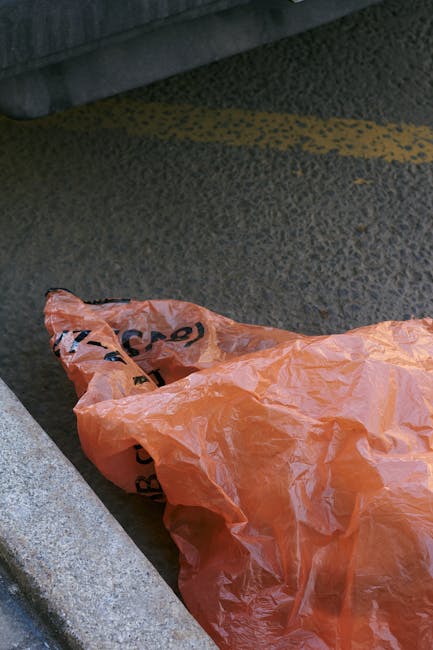
Fines for fly-tipping in Norwood and how to report
If you have spotted dumped rubbish on a street, alleyway, verge, or beside a bin in Norwood, you are not alone. Fly-tipping is one of those problems that feels small at first glance and then suddenly becomes a proper headache: blocked pavements, unpleasant smells, pests, and that sinking feeling that nobody else is dealing with it. This guide explains Fines for fly-tipping in Norwood and how to report the problem in a clear, practical way, so you know what to do, what not to do, and how to protect yourself from getting caught up in someone else's mess.
We will cover how penalties can work, who may be responsible, the safest way to report fly-tipping, and what evidence is actually useful. We will also look at common mistakes, best practice, and what to do if you are arranging legitimate waste removal and want to avoid trouble in the first place. Truth be told, a little knowledge saves a lot of frustration here.
Practical summary: if you see fly-tipping in Norwood, do not touch suspicious waste unless it is safe to do so, note the location and details, report it promptly through the proper local route, and keep your own waste transfer records if you hired anyone to remove rubbish for you.
- Fly-tipping is illegal dumping of waste.
- Fixed penalties and larger fines may apply depending on the case.
- Good evidence makes reports more useful.
- Using a legitimate waste carrier helps prevent accidental involvement.
Table of Contents
- Why fines for fly-tipping in Norwood matter
- How fines for fly-tipping and reporting work
- Key benefits and practical advantages
- Who this is for and when it makes sense
- Step-by-step guidance
- Expert tips for better results
- Common mistakes to avoid
- Tools, resources and recommendations
- Law, compliance, standards and best practice
- Options, methods, or comparison table
- Case study or real-world example
- Practical checklist
- Conclusion
- Frequently asked questions
Why Fines for fly-tipping in Norwood and how to report Matters
Fly-tipping is not just untidy. It can become a public health and safety issue, a nuisance for nearby homes and businesses, and a real cost burden for local services. In residential streets around Norwood, dumped sofas, mattresses, paint tins, black bags, and builder's rubble can quickly take over a space that should feel usable and safe. Nobody wants to walk past that every morning on the school run or see it sitting there after dark.
The fines matter because they are meant to deter careless or deliberate dumping. When a penalty is enforced properly, it sends a message that waste must be handled responsibly. That helps honest residents, landlords, builders, and businesses as much as it helps the wider area. If people know there are consequences, they are less likely to hand rubbish to the first cheap operator they find or leave a pile in an alley "just for tonight". And we all know how that ends.
Reporting matters just as much. A tipped load often stays longer than it should if nobody says anything. The sooner a report is made, the easier it is for the relevant team to assess the location, remove the waste, and investigate whether the offender can be identified. Even a small detail can help. A van registration, a time of day, or a photo of a distinctive bag can make a report far more useful.
There is also a practical side for anyone generating waste legally. If you are clearing a flat, sorting a garage, or removing old office furniture, you need a proper route for disposal. That is why many people look at a service such as waste removal in Norwood or more specific support like house clearance when they need a legitimate, documented way to get rid of bulky items. It is not glamorous, but it is better than a fine and a lot of stress.
How Fines for fly-tipping in Norwood and how to report Works
In plain English, fly-tipping enforcement usually works in two separate but connected ways. First, there is the waste itself: someone dumps it without permission. Second, there is the investigation: officers or enforcement teams may try to identify who left it there, who hired them, or who should have ensured it was handled lawfully. Depending on what is found, different penalties or actions may follow.
For smaller incidents, a fixed penalty notice may be used in some cases. For more serious cases, the matter can escalate. The exact outcome depends on the circumstances, the evidence, and the authority handling it. There is no sensible one-size-fits-all figure to quote here, because the details matter. A single bag left on a pavement is not treated the same as repeated dumping from a van full of construction waste, and nobody should pretend otherwise.
As for reporting, the basic process is usually straightforward:
- Make sure it is safe to approach the area.
- Record the location as accurately as you can.
- Note the date, time, and a description of the waste.
- Take photos only if you can do so safely and without interfering.
- Report it through the correct local route.
That last point is important. If you are unsure whether the waste is hazardous, sharp, leaking, or possibly linked to crime, keep your distance. A half-open bag of unknown contents is not worth a heroic moment. Let's face it, a quick photo from a safe distance is enough in many cases.
People also ask how to protect themselves if they hired someone to clear rubbish and then the waste is dumped elsewhere. The safest answer is to keep a paper trail. Use a reputable company, ask for details of the service, and retain receipts and any written terms. If you are comparing legitimate disposal options, it can help to review pages like furniture disposal or furniture clearance when bulky household items are involved.
Key Benefits and Practical Advantages
Reporting fly-tipping properly gives you a few very real advantages. The first is obvious: the mess is more likely to be removed. The second is less visible but just as valuable: repeat offenders are easier to track when reports are consistent and detailed. The third is community confidence. People notice when action is taken, even if quietly. It tells them the area is being looked after.
For residents, a good reporting habit can also reduce frustration. Instead of wondering whether the waste will disappear by magic, you are doing the one thing that tends to move it along. You are also creating a record. That matters if the same spot keeps being targeted or if a landlord, managing agent, or business owner needs to escalate the issue later.
For businesses and landlords, there is another benefit: reputational protection. A pile of dumped waste outside premises can make a place look neglected, even when the owner had nothing to do with it. Fast reporting helps show that you took responsible action.
If you are arranging your own waste disposal, the benefit is avoiding the kind of "cheap" shortcut that becomes expensive later. Using the right clearance route can protect you from accidental non-compliance. For example, if you are emptying a home or sorting a loft, it can be worth checking a structured service such as loft clearance or home clearance so items are handled properly rather than handed to someone who may dump them in a field or side street.
- Cleaner streets and shared spaces
- Better chances of identifying offenders
- Lower risk of repeat dumping in the same spot
- More confidence for residents and business owners
- Less chance of accidental involvement in illegal waste disposal
Who This Is For and When It Makes Sense
This topic matters to a wide range of people, and not just those who have seen a pile of rubbish on their road. If you live in Norwood, manage a property, run a local business, work in construction, or are clearing out a home, you have a direct interest in how fly-tipping is dealt with.
It is especially relevant if you are:
- a resident dealing with dumped waste near your home
- a landlord or letting agent with an accessway, rear lane, or shared bin area
- a small business owner whose frontage keeps being affected
- a builder or tradesperson handling rubble, timber, or packaging
- someone arranging a clearance of bulky or mixed household items
There are also times when the issue is less about reporting and more about prevention. If you are getting rid of old office chairs, broken desks, or archive materials, for example, you do not want those items sitting in a passageway because you have not yet arranged the correct collection. In that situation, a dedicated route like office clearance or business waste removal can be the sensible next step.
And if the job is outdoors, such as green waste, broken fencing, or soil and cuttings, a service like garden clearance may be the cleaner, safer route. Not exciting, I know. But the right setup makes a big difference.
Step-by-Step Guidance
If you want a practical approach to reporting fly-tipping in Norwood, keep it simple. The aim is to be accurate, safe, and quick enough that the details still matter.
1. Check the scene from a safe distance
First, look without touching. If the waste looks sharp, wet, chemical, or possibly contaminated, do not handle it. A mattress or black bag might seem harmless, but hidden glass, needles, or leaking liquids can turn it into a different problem altogether.
2. Note where it is
Write down the exact street, nearby landmark, property number, alley, or access path. If you can identify the side of the road or a nearby junction, even better. The more precise the location, the faster the response tends to be.
3. Record what you see
Make a short description. Is it household waste, builders' rubble, furniture, or mixed rubbish? Is it one bag or a full load? Is there anything obvious like envelopes, labels, or a number plate visible? Keep notes brief and factual.
4. Take photographs if it is safe
Photos are often useful, but only if you can take them without risking yourself. You do not need cinematic quality. A clear snapshot of the items, the surrounding area, and any visible identifying details is usually enough.
5. Report it promptly
Use the appropriate local reporting route and include the details you have gathered. If the waste is blocking access, appears dangerous, or is likely to attract further dumping, say that clearly. Plain language is fine. Nobody needs a novel.
6. Keep a record
Save the date, time, notes, and any reference number you receive. If the rubbish remains for a while, that record helps you follow up rather than starting from scratch.
7. If you are responsible for waste, show your paperwork
If you hired someone to remove waste on your behalf, keep receipts, terms, and any service details. That paper trail can matter if questions come up later. It is boring. It is also your best friend.
Expert Tips for Better Results
There are a few habits that make a report more effective and reduce the risk of being caught out yourself.
Be precise, not dramatic. "Rubbish dumped near the railway bridge" is less useful than "three black sacks and a broken wardrobe at the entrance to the rear service lane behind number 18."
Do not move the waste unless you have to. People sometimes try to tidy up a little, only to disturb evidence or expose themselves to hazards. If it is genuinely safe and minor, fine. If not, leave it alone.
Use legitimate disposal routes before the pile becomes a pile. A lot of fly-tipping starts with delayed clearances, bad advice, or a quick decision made on a busy afternoon. If you are clearing bulky items, consider arranging collections in advance through relevant services such as furniture clearance or builders waste clearance for heavier renovation waste.
Ask for proof when hiring a waste collector. In practice, that means checking who is taking the waste away and making sure the arrangement is documented. The cheapest option is not always the safest. In fact, it often isn't.
Report repeat hotspots consistently. If the same lane, verge, or corner keeps being hit, repeated reports help create a pattern. That can improve the chances of better enforcement or prevention measures later.
A small human note here: I once saw a pile of mixed rubbish sit in a side street for days because everyone assumed someone else had reported it. Once the report went in, the tone changed immediately. Funny how that works. Not funny, really, but you know what I mean.
Common Mistakes to Avoid
Some mistakes are surprisingly common, and they can make a straightforward fly-tipping issue harder to resolve.
- Touching unknown waste. This is the big one. Avoid it unless you are sure it is safe.
- Giving vague location details. "Near Norwood" is not enough.
- Assuming someone else will report it. They may not.
- Throwing away your own disposal paperwork. Keep records if you arranged a collection.
- Using an unverified waste remover. If they dump the load, you could face problems too.
- Leaving items on the pavement and calling it temporary. That is how good intentions become offences.
Another mistake is trying to over-explain the incident. Keep your report factual. You do not need to speculate about motives or write a mini detective story. Just state what was seen, where it was, and when. Simple usually wins.
Tools, Resources and Recommendations
You do not need a toolkit full of gadgets to handle fly-tipping sensibly, but a few practical items help.
- Phone camera: for safe, basic photos of the waste and location.
- Notes app or notebook: for time, date, and reference numbers.
- Postcode or street reference: to keep the location accurate.
- Receipt folder: for your own clearance and disposal records.
For people dealing with repeated bulky waste, it may also help to review service information before booking anything. If you are clearing mixed items from a home, you might find flat clearance or garage clearance useful depending on the type of load. If the waste is mainly recyclable material or you want to reduce what goes to landfill, the page on recycling and sustainability is a sensible read.
It is also worth checking commercial and process pages if you are booking a service for business or larger household jobs. The pages on pricing and quotes, payment and security, and insurance and safety can help you understand what to expect before you commit.
Law, Compliance, Standards and Best Practice
Fly-tipping is a legal issue, and waste must be handled responsibly. In UK practice, the person who produces waste has a duty to ensure it is transferred to someone authorised to take it. That does not mean every detail is your fault forever, but it does mean you should be careful about who you use and what proof you keep.
Best practice usually includes:
- using a reputable waste carrier or clearance provider
- getting a written quote or service record where possible
- retaining invoices and collection details
- avoiding cash-only, no-paper-trail arrangements
- checking that the waste is appropriate for the service booked
For businesses, compliance is even more important because repeated or careless disposal can create bigger legal and reputational consequences. If your company regularly produces rubbish, a planned approach through business waste removal is usually far safer than ad hoc disposal. For shops, offices, or workspaces with changing needs, that can be the difference between orderly clearance and a messy afternoon nobody wants.
Best practice also includes proportionate reporting. If a load looks suspicious or dangerous, explain that. If it is a small but persistent nuisance, keep logging it. The aim is not to be alarmist. It is to be useful.
Options, Methods, or Comparison Table
If you are deciding what to do about dumped waste or how to manage your own unwanted items, it helps to compare the main approaches side by side.
| Option | Best for | Advantages | Limitations |
|---|---|---|---|
| Report the fly-tip | Illegal dumping in streets, lanes, verges, or communal areas | Supports removal and investigation; helps protect the area | Does not remove the waste instantly in every case |
| DIY disposal at a lawful facility | Small household loads and items you can transport safely | Direct control over your waste | Requires time, transport, and correct sorting |
| Booked clearance service | Bulky, mixed, or heavy items | Convenient, documented, and more manageable | Needs careful provider selection |
| Business waste arrangement | Regular commercial waste streams | Structured, repeatable, easier to track | Less flexible if needs change suddenly |
If you are dealing with furniture, white goods, or a mixed household load, choosing the right method matters. A one-off sofa might fit a simple collection, but a whole room of items is another story. People often underestimate the volume. The room always looks bigger until it is full of broken chairs and a tired old wardrobe.
Case Study or Real-World Example
Imagine a resident in Norwood notices that a pile of broken shelving, a bag of plaster dust, and two black sacks have appeared overnight near a shared rear access lane. By the following morning, the pile has grown because another bag has been left beside it. It now looks like an open invitation for more rubbish.
The resident does three sensible things. First, they stay at a safe distance and do not move anything. Second, they note the exact access point, the date, and the time they first saw it. Third, they take a couple of photos that show the full pile and the surrounding lane so the location is obvious. The report goes in promptly with a clear description.
A few days later, the waste is removed. Nobody gets a gold medal for this, obviously, but the important part is that the issue was properly logged and treated as a real problem rather than a nuisance to ignore. Later, when the same lane is targeted again, the earlier report helps show a pattern.
Now compare that with a different situation. A householder is clearing a loft and decides to hire the first cheap number they find, with no documentation and no check on what happens next. Weeks later they hear the items were dumped somewhere off-road. That is the sort of avoidable mess that leaves people feeling angry, embarrassed, and stuck. A proper clearance arrangement would have been a lot less stressful.
Practical Checklist
Use this short checklist if you need to report fly-tipping or avoid becoming involved in it yourself.
- Have I checked the scene from a safe distance?
- Have I noted the exact Norwood location?
- Have I recorded the date and time?
- Have I described the waste clearly?
- Have I taken safe photos if appropriate?
- Have I reported it through the correct route?
- Have I saved the reference number?
- If I hired a collector, do I have receipts and service details?
- If I still need disposal help, have I chosen a legitimate clearance option?
If the waste is yours, or partly yours, do not leave it in a public place while you decide what to do. Arrange proper collection or disposal promptly. It sounds obvious, but this is where problems start for a lot of people. One small delay becomes a bigger issue very quickly.
Conclusion
Fly-tipping is frustrating because it affects everyone nearby, yet it often starts with one careless decision or one badly chosen waste carrier. Understanding Fines for fly-tipping in Norwood and how to report gives you two useful tools: the confidence to act when you see dumped waste, and the awareness to keep your own clearance arrangements above board.
The main thing is to stay calm, stay safe, and keep your details clear. Report what you have seen, keep records, and use proper disposal routes for anything you need removed yourself. That approach protects your home, your business, and your local streets. Small actions matter more than people think, especially on a damp weekday morning when the pavement is already crowded and somebody has left a broken chair by the kerb.
Get a free quote today and see how much you can save.
And if you are sorting through unwanted items right now, take it one step at a time. Good waste habits are not flashy, but they do make life quieter, cleaner, and a bit easier. That counts for a lot.
Frequently Asked Questions
What counts as fly-tipping in Norwood?
Fly-tipping is the illegal dumping of waste on land that does not have permission to receive it. That can include household rubbish, furniture, builders' waste, bags of mixed junk, or even a single item left in the wrong place.
How do I report fly-tipping if I see it?
Note the exact location, the date and time, and what was dumped. If it is safe, take clear photos. Then report it through the correct local route and keep any reference number you receive.
Can I move fly-tipped rubbish myself?
Only if it is safe and you are certain it will not expose you to sharp, hazardous, or contaminated materials. If there is any doubt, leave it alone and report it instead.
Do fines apply only to the person who dumped the waste?
Usually the focus is on the person or business responsible, but the wider chain of responsibility can matter too. That is why it is important to keep records when you hire someone to remove waste.
What kind of evidence helps most when reporting fly-tipping?
Useful evidence includes the location, photos taken safely from a distance, a time and date note, and any visible details such as labels, vehicle information, or distinctive items.
What if the dumped waste is on private land?
You should still document it and seek the appropriate reporting or clearance route. The exact next step can depend on who controls the land and what the waste involves.
Are fly-tipping fines always fixed?
No. The outcome depends on the situation. Some cases may involve fixed penalties, while more serious incidents can lead to stronger enforcement action. The exact response varies with the facts.
How can I avoid being linked to fly-tipping by mistake?
Use reputable waste removal services, keep receipts and service details, and do not hand waste to anyone who cannot clearly explain where it will go. If it sounds too cheap to be true, it often is.
What should businesses in Norwood do with regular waste?
Businesses should use a structured, documented disposal arrangement that matches the type and volume of waste they generate. That is much safer than relying on ad hoc removals.
Is there a difference between bulky waste and fly-tipping?
Yes. Bulky waste is lawful waste that still needs proper collection or disposal. Fly-tipping is unlawful dumping. The difference is not always the item itself; it is how and where it is left.
What if fly-tipping keeps happening in the same spot?
Keep reporting each incident and note any pattern you notice. Repeated reports can help show that a location is being used for dumping more than once.
Where can I get help if I need waste removed properly?
If you need lawful, practical support with household, garden, office, or builder-type waste, look for a documented clearance service that suits the load. A proper collection route is far better than leaving anything out to become someone else's problem.