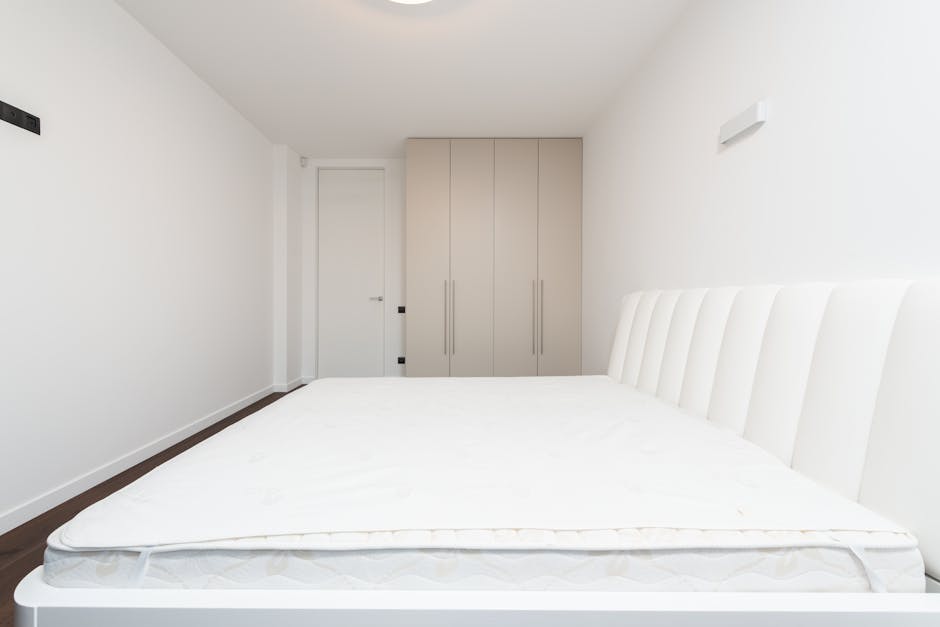
Mouldy mattress disposal options in Norwood: a practical local guide
If you have ever lifted a mattress and caught that damp, sour smell, you will know it is not a pleasant job. A mouldy mattress is not just an eyesore; it can affect sleep, trigger allergies, and make a bedroom feel like it needs a hard reset. The good news is that there are sensible, safe Mouldy mattress disposal options in Norwood, and most of them are easier than people expect once you know what to do.
This guide walks you through the main disposal routes, what matters for hygiene and compliance, how to decide between them, and the practical steps that save time and stress. It is written for people who want the job done properly, without the faff, and without making a bad situation worse.
You will also find a comparison table, a checklist, and a few real-world style examples so you can choose the right approach for your home, flat, or landlord property. Truth be told, a mouldy mattress is one of those tasks people leave until the last minute. Then it starts leaning against the wall, getting in the way, and everyone feels slightly awkward about it. Let's sort that out.
Why Mouldy mattress disposal options in Norwood Matters
A mouldy mattress is not simply "old bedding". Once mould takes hold, the problem can spread through fabric, foam, and springs, and the smell can linger in the room long after the mattress is gone. That matters for health, but it also matters for how the item should be handled. A mattress with visible mould is usually treated differently in practice from a standard used mattress because it may be unsuitable for reuse or donation.
For people in Norwood, the question is often not just how do I get rid of it? but how do I dispose of it without causing more hassle, more mess, or a neighbour complaint? That is especially true in flats, shared houses, and narrow stairwells where dragging a damp mattress through communal areas is nobody's idea of a good time.
There is also a practical side to this. If a mouldy mattress is left in a hallway, cellar, garage, or garden for too long, it can attract further moisture, worsen the smell, and become harder to move safely. In other words, a quick plan is usually the better plan.
Expert summary: A mouldy mattress should be removed promptly, handled as contaminated or at least non-reusable household waste, and kept separate from anything you hope to donate or resell. Safe containment, correct transport, and choosing the right disposal route are the real priorities.
If you are trying to keep costs down, it can be tempting to delay or improvise. But in our experience, that usually creates more work later. A little planning now tends to save a lot of awkward lifting later on.
How Mouldy mattress disposal options in Norwood Works
The process usually starts with one simple question: is the mattress actually recoverable, or is it a write-off? If mould is only on the surface and very minor, some people ask whether cleaning is worth trying. In reality, once mould has penetrated the fabric or padding, most mattresses are better treated as disposal items rather than cleaning projects. Foam and upholstery materials can hold moisture, and that is where the smell and spores can linger.
From there, the disposal route depends on three things:
- the condition of the mattress;
- how quickly you need it removed;
- how easy it is to move from your property.
In Norwood, the most common options are local bulky waste collection, private waste removal, and mattress recycling through a service that can handle larger household items. If the mattress is severely mouldy, wet, or contaminated, the service provider may ask that it is wrapped or separated from other items. That is normal. It helps protect staff, vehicles, and your home from spreading damp or debris.
Some people assume every mattress can be recycled in the same way. Not quite. Recycling outcomes vary depending on material type, contamination, and the condition of the item. A dry, clean mattress is usually easier to process than one with visible mould stains, mildew smell, or water damage. So the "how it works" answer is really about choosing a route that matches the actual condition of the mattress, not the one you wish it had.
If you are organising a larger clear-out at the same time, it may also be worth looking at broader household or clearance support. The company's about us page is useful if you want to understand the kind of service behind the collection, while recycling and sustainability information can help you see how items are handled responsibly.
Key Benefits and Practical Advantages
Choosing the right disposal option is not just about getting the mattress out of the door. Done well, it also reduces health risks, keeps your property tidy, and saves time.
- Faster removal: A proper plan avoids the mattress lingering in spare rooms, hallways, or outside spaces.
- Less handling risk: A mouldy mattress can be awkward to manoeuvre, especially upstairs or through narrow communal areas.
- Cleaner finish: Good disposal prevents spores, dirt, and damp smells from spreading further.
- Better compliance: Using a reputable disposal route reduces the chance of fly-tipping or improper dumping.
- More suitable recycling: If the item can be recycled, a structured collection makes that far easier.
There is also peace of mind. That counts for something. Once the mattress is gone, the room feels usable again. The air seems lighter, the floor space comes back, and you can finally deal with the rest of the room instead of stepping around a problem every morning.
For customers comparing providers, the practical things tend to matter more than glossy promises. Clear pricing, respectful handling, and safe collection procedures are all worth checking in advance. You can usually get a better sense of that by reviewing pricing and quotes before booking.
Who This Is For and When It Makes Sense
This kind of disposal service is useful for quite a wide range of people. If your mattress is mouldy, musty, damp, stained by water ingress, or simply beyond salvage, the same general advice applies.
- Homeowners clearing out a bedroom after a leak, condensation issue, or long-term storage in a damp room.
- Tenants who need to return a property in decent condition at the end of a tenancy.
- Landlords and letting agents dealing with abandoned or heavily worn bedding after a move-out.
- Families replacing a mattress after a child's room became damp or mould-prone.
- People downsizing who have to remove bulky items quickly during a move.
It also makes sense when the mattress is simply too heavy, too awkward, or too unpleasant to move alone. Let's face it, a king-size mattress down a narrow stairwell is not a charming solo mission. If the item is mouldy as well, the job becomes less about convenience and more about safe handling.
There are times when a mattress should be treated as a priority disposal item rather than a background task. If anyone in the home has asthma, allergies, or a sensitivity to damp environments, it is usually better to remove the source of irritation promptly and ventilate the room properly afterwards.
Step-by-Step Guidance
If you want a simple process, use this one. It keeps things orderly and avoids the usual last-minute scramble.
- Inspect the mattress carefully. Check whether the mould is light surface staining or deeper contamination. If the smell is strong and the fabric feels damp, disposal is usually the safest option.
- Remove bedding and loose items. Take off sheets, protectors, and pillows. Bag them separately if they also show signs of damp or mould.
- Keep the mattress away from clean furnishings. Do not lean it against wardrobes, carpets, or other fabric items if you can help it.
- Choose a disposal route. Decide between a council-style bulky collection where available, a private removal service, or a recycling-oriented collection that accepts mattresses.
- Prepare access. Clear hallways, open gates if needed, and measure awkward turns. It sounds small, but one tight corner can eat up fifteen minutes.
- Wrap if requested. Some collectors prefer the mattress to be bagged or wrapped, especially if it is heavily soiled or mouldy. Follow their guidance.
- Arrange collection or drop-off. Confirm the time window and ensure someone is available if access is needed.
- Clean the room afterwards. Vacuum carefully, wipe nearby hard surfaces, and improve ventilation. If the mould source was a leak or condensation issue, deal with that too, or the problem may come back.
If you are unsure how the item will be treated, it is sensible to ask before collection. A good provider should explain whether the mattress will be sent for recycling, disposal, or another appropriate route. That transparency matters more than a fancy sales pitch, to be honest.
Expert Tips for Better Results
Here are the small details that make a surprisingly big difference.
Keep it dry during handling
If the mattress is still damp, avoid dragging it through the house for long distances. Damp fabric sheds mess more easily and can smell worse by the minute. If you can move it with minimal handling, do that.
Do not try to "save" a clearly contaminated mattress
A light surface mark is one thing. Deep mould growth, persistent odour, or waterlogging is another. In those cases, replacement is usually more realistic than restoration.
Plan for access before collection day
Measure doorways, stair corners, and lift access. A collection team can only work with the space available, and the smoother the access, the less disruption for everyone.
Separate the mattress from reusable bedding
If the duvet or protector is still usable, keep it away from contaminated items. That simple step saves money and avoids spreading the damp smell to clean textiles.
Ask about recycling outcomes
If sustainability matters to you, it is fair to ask how the mattress is processed after removal. A responsible provider should be able to explain their general approach, even if exact outcomes vary by item condition.
For people who care about that side of the process, the recycling and sustainability approach is worth a look before booking. It helps set expectations from the start.
Common Mistakes to Avoid
Most problems with mouldy mattress disposal are avoidable. The tricky part is that the mistakes look harmless at first.
- Trying to donate a mouldy mattress: A visibly mouldy mattress is generally unsuitable for reuse. Even if you think it looks "mostly fine", another person may not.
- Leaving it in a communal area: That can create complaints, block access, and spread odour.
- Wrapping it badly: Loose plastic that tears halfway down the stairs is not much help.
- Mixing it with clean bedding: This can contaminate other items and make sorting much harder.
- Ignoring the damp source: If the original leak or humidity issue remains, replacing the mattress alone may not solve the real problem.
- Choosing the cheapest option without checking handling rules: Cheap is not always cheap once you factor in delays, extra labour, or failed collection attempts.
Another common one: assuming the first lift of the mattress tells the full story. Sometimes the top layer looks only a bit stained, but the underside tells a different tale. If you spot patchy black, green, or brown growth, or you get that unmistakable stale smell, treat it seriously. No drama, just common sense.
Tools, Resources and Recommendations
You do not need specialised equipment to dispose of a mattress, but a few basic items make the job safer and tidier.
- Heavy-duty gloves for handling dirty or rough surfaces;
- Face covering if dust or mould spores might be disturbed;
- Strong refuse sacks for bedding and smaller contaminated items;
- Protective mattress wrap or cover if requested by the collector;
- Tape or straps for keeping a wrapped mattress secure;
- Vacuum cleaner and cleaning cloths for the room afterwards;
- Basic measuring tape for access checks in tight homes or flats.
On the service side, a few pages can help you make a calmer decision. If you want to understand the company background, read about the team and approach. If payment confidence is important, the payment and security information helps reassure people who prefer clarity before they book. And if you want the formal details behind service expectations, the terms and conditions are worth checking as well.
For anyone with specific concerns about access, property handling, or general operational care, it can also be useful to review health and safety guidance and insurance and safety information. That is the sort of detail people often skip, and then wish they had not.
Law, Compliance, Standards, or Best Practice
Disposing of a mouldy mattress is usually a straightforward household waste matter, but there are still good practice points that matter. In the UK, you should avoid fly-tipping, illegal dumping, and leaving bulky waste in places where it may obstruct access or create a nuisance. Even where a mattress is simply being moved for collection, it should be handled in a way that protects the people moving it and the surroundings.
For landlords and letting agents, there is a further practical expectation: abandoned or contaminated mattresses should be removed promptly and managed responsibly. That is not just about tidiness. It is about presenting a safe, liveable property and avoiding avoidable complaints. The same logic applies to office or commercial settings if a mattress ends up in storage, temporary accommodation, or staff housing.
Best practice usually means:
- separating contaminated items from clean ones;
- keeping the item secure before collection;
- using a legitimate collection or disposal route;
- checking whether wrapping or access preparation is required;
- avoiding unsafe manual handling.
If you are uncertain whether your situation involves extra responsibility, it is wise to ask for clarification before the collection is booked. That is especially true where damp, infestation, or other contamination is involved. Not every mattress problem is identical, and a careful answer is better than a rushed one.
Options, Methods, or Comparison Table
Here is a straightforward comparison of the main Mouldy mattress disposal options in Norwood.
| Option | Best for | Pros | Watch-outs |
|---|---|---|---|
| Local bulky waste collection | People who can wait for a scheduled slot | Often simple and familiar, especially for single items | Timing may be less flexible and preparation rules may apply |
| Private mattress removal | Urgent removals or awkward access | Flexible, quicker, and often easier for stairs or tight spaces | Price and service levels vary, so check what is included |
| Recycling-led collection | People wanting a more sustainability-focused route | Supports material recovery where the item is suitable | Heavily mouldy or wet mattresses may have limited recycling value |
| Self-transport to a waste facility | People with a suitable vehicle and lifting help | Can work for straightforward single-item disposal | Requires manual handling, transport space, and time |
For most households, the best option is the one that balances speed, safety, and ease of access. If the mattress is badly mouldy, the "recycling first" instinct is understandable, but practicality matters too. Sometimes the item is simply too compromised for a reuse or donation pathway. That is fine. Disposal done properly is still the right outcome.
Case Study or Real-World Example
Imagine a one-bedroom flat in Norwood after a winter leak. The mattress had sat against an outside wall for weeks, and by the time it was lifted, the underside had a dark patchy mould pattern and a musty smell that clung to the room. The tenant had already stripped the bed, but the mattress was too large to carry alone and too unpleasant to keep around.
The most sensible route in that situation was not to try cleaning it for hours, and not to leave it in the hallway while deciding. The mattress was separated from other soft furnishings, access was cleared, and a removal slot was arranged with instructions about the mouldy condition. After the collection, the room was vacuumed and aired, and the leak source was dealt with before a replacement mattress arrived.
That kind of outcome is common. Not glamorous, not dramatic, just sensible. The real win is that the room becomes usable again without spreading the problem to other items or making the flat smell worse. Small practical choices make a big difference here.
Practical Checklist
Use this quick checklist before you book or move anything.
- Confirm whether the mattress is genuinely mouldy, damp, or simply stained.
- Remove all bedding, protectors, and soft accessories.
- Keep clean items away from the contaminated mattress.
- Decide whether you need a fast removal or can wait for a scheduled collection.
- Measure tight access points such as stair turns, door frames, and lifts.
- Ask whether wrapping or preparation is required.
- Check what happens to the mattress after collection.
- Make sure the room is ventilated afterwards.
- Deal with the underlying damp, leak, or condensation source.
- Arrange a replacement only after the space is properly cleared and cleaned.
A simple list, yes. But on a busy weekday evening, simple is exactly what you need.
Conclusion
Mouldy mattress disposal options in Norwood come down to a few practical decisions: how contaminated the mattress is, how fast you need it gone, and which collection route best fits your property. Once you look at it that way, the job becomes much more manageable. You do not need to overthink every detail. You just need a safe, sensible plan and the right help if the item is large, awkward, or too far gone to keep.
If you are comparing providers, focus on clarity, handling standards, recycling transparency, and access support. Those are the things that really shape the experience. And if the mattress is already making the room feel smaller, smell worse, or drag down the whole space, there is no shame in getting it out sooner rather than later.
Get a free quote today and see how much you can save.
When the old mattress is finally gone, the room feels different in a quiet, satisfying way. Fresh air, clear space, a proper reset. Sometimes that is all a home needs.
For next steps, you can also review the contact page or check pricing and quote details if you are ready to compare options.
Frequently Asked Questions
Can a mouldy mattress be recycled?
Sometimes, but it depends on how badly mould has affected it. A mattress with light surface staining may still be suitable for a recycling-oriented collection, while a heavily mouldy or damp mattress may be rejected or handled as non-reusable waste.
Should I try to clean a mouldy mattress before disposal?
If the mould is minor and surface-level, some people try cleaning. But once mould has penetrated the fabric or the mattress smells strongly damp, disposal is usually the safer and more realistic choice.
Is it safe to keep a mouldy mattress in the house while I wait for collection?
Only for a short time, and ideally in a well-ventilated, isolated area. Try not to keep it in a bedroom or communal hallway longer than necessary, especially if anyone in the home is sensitive to damp or allergens.
Do I need to wrap a mouldy mattress before removal?
Not always, but some collectors request wrapping or bagging to keep the item contained and easier to handle. It is best to ask in advance so you know exactly what is expected.
What is the fastest way to dispose of a mouldy mattress in Norwood?
Usually a private removal service is the quickest route if you need flexible timing and direct collection from your property. If speed matters, ask about available slots and access requirements before booking.
Can I leave the mattress outside for collection?
Only if the collection provider says that is acceptable and the item will not create an obstruction or nuisance. Leaving it outside too early can invite weather damage, complaints, or contamination spread.
What happens if the mattress is too heavy to move on my own?
That is very common. A professional removal service can usually handle awkward lifting, stairs, and narrow access more safely than a one-person attempt. It is one of those jobs where a second pair of hands really matters.
Can I donate a mattress that has mould on it?
No, not if the mould is visible or the smell suggests contamination. Donation is generally for clean, usable items, and a mouldy mattress is unlikely to be accepted for reuse.
Will a mouldy mattress smell up the whole room?
It often can, especially if the mould has spread inside the layers. Ventilating the room helps a bit, but removing the mattress is usually the only proper way to stop the smell lingering.
How do I know whether the problem is mould or just staining?
Mould often looks patchy and may appear green, black, or brown, with a musty smell and a damp feel. Staining alone does not always mean mould, but if you are unsure and the mattress has been exposed to moisture, it is wise to treat it cautiously.
Is it worth asking about recycling and sustainability before booking?
Yes. If you care about the environmental side, it is sensible to ask how the mattress will be processed and whether any materials can be recovered. That helps you choose a provider whose approach matches your priorities.
What should I do after the mattress is removed?
Vacuum the area, wipe nearby hard surfaces, and air the room well. If a leak, condensation problem, or damp wall caused the mould in the first place, address that too so the issue does not come back.